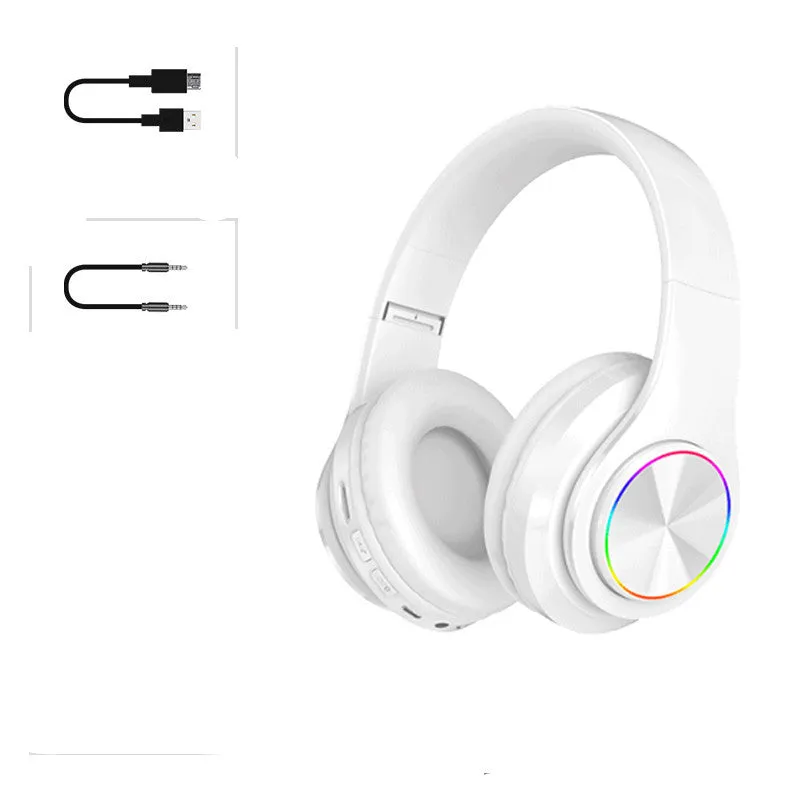
Bluetooth headset IP878 folding mobile phone device featuring 40mm horn size and 2.4GHz wireless operation with selectable black, blue, or white Bluetooth version, providing high acoustic fidelity sound with 100db sensitivity.


Bluetooth headset IP878 folding mobile phone device featuring 40mm horn size and 2.4GHz wireless operation with selectable black, blue, or white Bluetooth version, providing high acoustic fidelity sound with 100db sensitivity.
IP878 Folding Bluetooth Headset with 40mm Horn and 2.4GHz Wireless Operation

The IP878 folding Bluetooth headset provides a wireless audio solution for mobile communication, featuring a 40mm horn size and operating on the 2.4GHz to 2.480GHz frequency band. This device uses GFSK modulation at 1Mbps with 0.5BT Gaussian filtering to maintain stable connectivity. It delivers high acoustic fidelity sound with a signal-to-noise ratio of ≥75dB and distortion kept at ≤0.01%, ensuring clear audio transmission. Available in black, blue, or white Bluetooth versions, the headset has a folding design for portability and includes a 3.5mm joint wire rod for optional wired use. Operating within a temperature range of -10°C to 60°C with a 3.3V supply voltage, it is suited for various environments.
Features and Construction
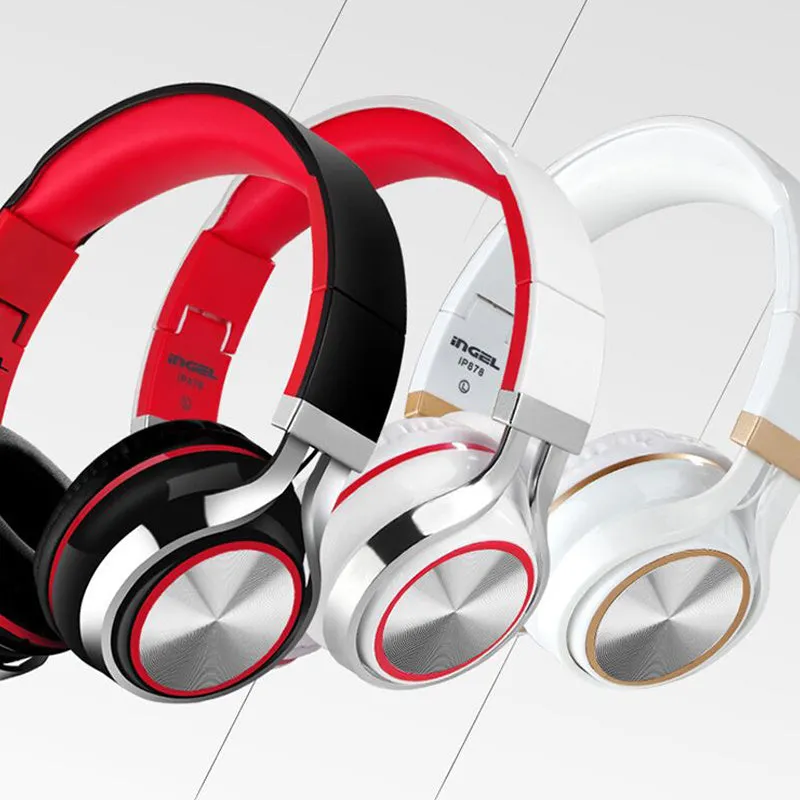
The IP878 headset incorporates specific technical specifications that define its performance and build. Key elements include its acoustic components and wireless communication system, which work together to provide reliable audio functionality.
Material and Build
The headset uses plastic and electronic materials for its housing and internal circuitry, supporting the structural integrity needed for the folding mechanism. Metal components are included in the 3.5mm joint wire rod connector. These materials contribute to the device's functionality without additional performance claims beyond the provided specifications.
Size and Practical Fit
With a horn size of 40mm, the headset is designed to project sound effectively. The folding design allows for compact storage and transport, making it suitable for mobile use. The operating temperature range of -10°C to 60°C ensures functionality in various climates, while the 3.3V supply voltage supports stable power consumption.
Uses and Placement
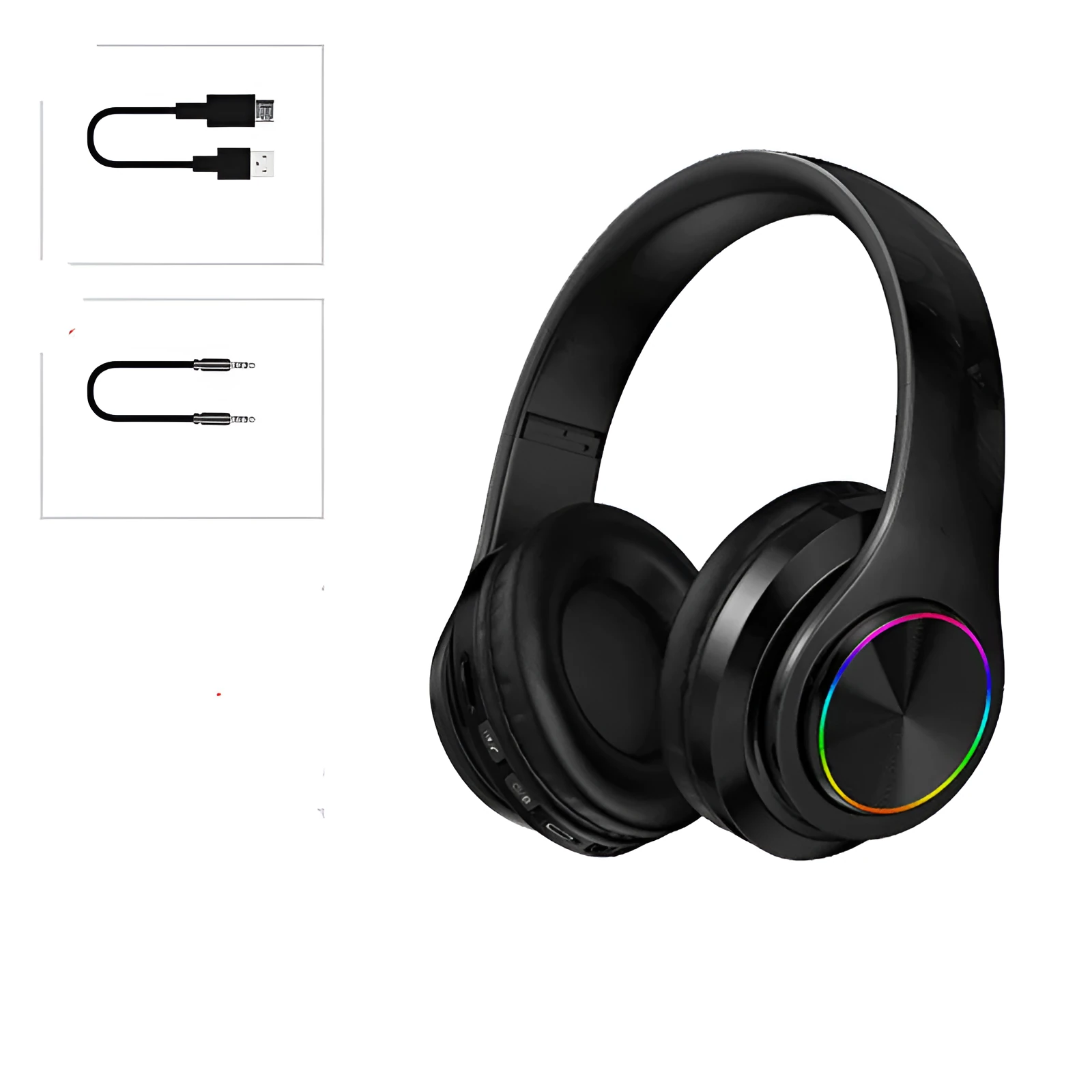
This headset is intended for audio communication in both everyday and specific scenarios. Its wireless capability and audio performance specifications make it applicable for different settings where clear sound transmission is required.
Event or Professional Use
The high acoustic fidelity sound and ≥75dB signal-to-noise ratio can support environments needing reliable audio, such as presentations or communication tasks. The 2.4GHz wireless frequency range provides connectivity without cables, and the GFSK modulation at 1Mbps helps maintain data integrity. The operating temperature range allows use in controlled indoor settings or variable conditions.
Everyday Home Use
For personal communication, the folding design offers portability, and the choice of black, blue, or white Bluetooth versions allows for aesthetic preference. The 3.5mm joint wire rod provides a wired alternative if wireless connectivity is unavailable. The device's specifications, including ≤0.01% distortion, contribute to clear audio during calls or media playback in home environments.
Benefits and Buying Value

The IP878 headset offers practical advantages based on its stated features and construction. These benefits focus on its technical performance and usability without inventing unsupported claims.
Reuse and Low Maintenance
The folding mechanism and durable materials support repeated use and compact storage. The specified operating parameters, such as the temperature range and supply voltage, provide guidelines for maintenance. The inclusion of a 3.5mm wire rod offers an alternative connection method, extending usability if Bluetooth is not preferred.
Why Choose This Product
This headset provides a concrete set of specifications, including 40mm horn size, 2.4GHz wireless operation, and high acoustic fidelity sound, which define its audio performance. The availability of three colour versions and the folding design add practical choice and portability. Compared to generic headsets, it offers measurable differences in audio quality and connectivity based on its modulation method and signal-to-noise ratio.