Elderly Elbow Spoon Fork Feeding Care Supplies Stainless Steel Eating Utensil for Adults Left or Right Hand Use with Angled Handle


Elderly Elbow Spoon Fork Feeding Care Supplies Stainless Steel Eating Utensil for Adults Left or Right Hand Use with Angled Handle
Elderly Elbow Spoon Fork Feeding Care Supplies for Adults with Limited Mobility
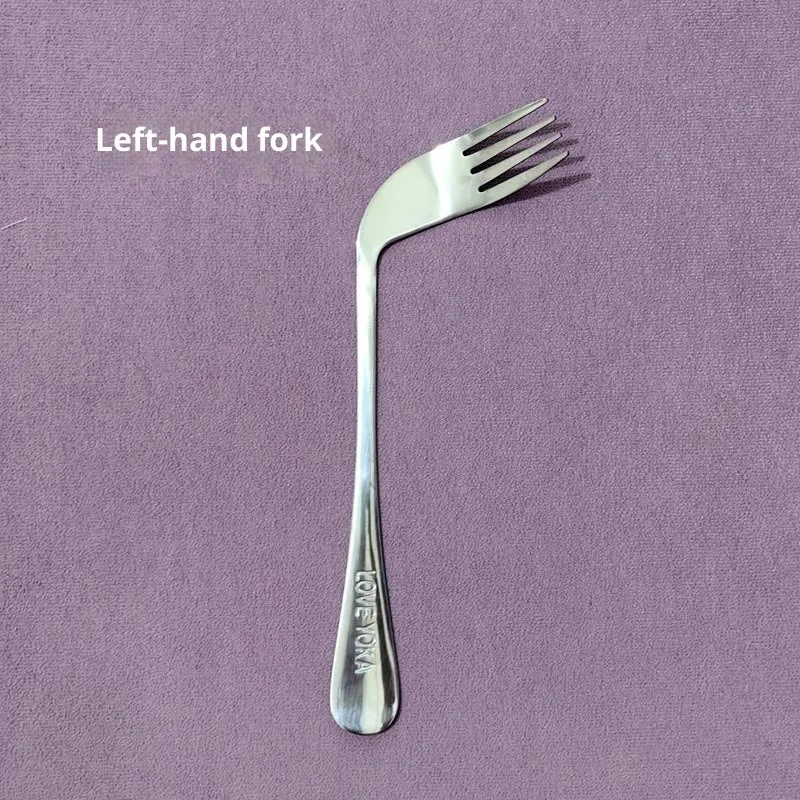
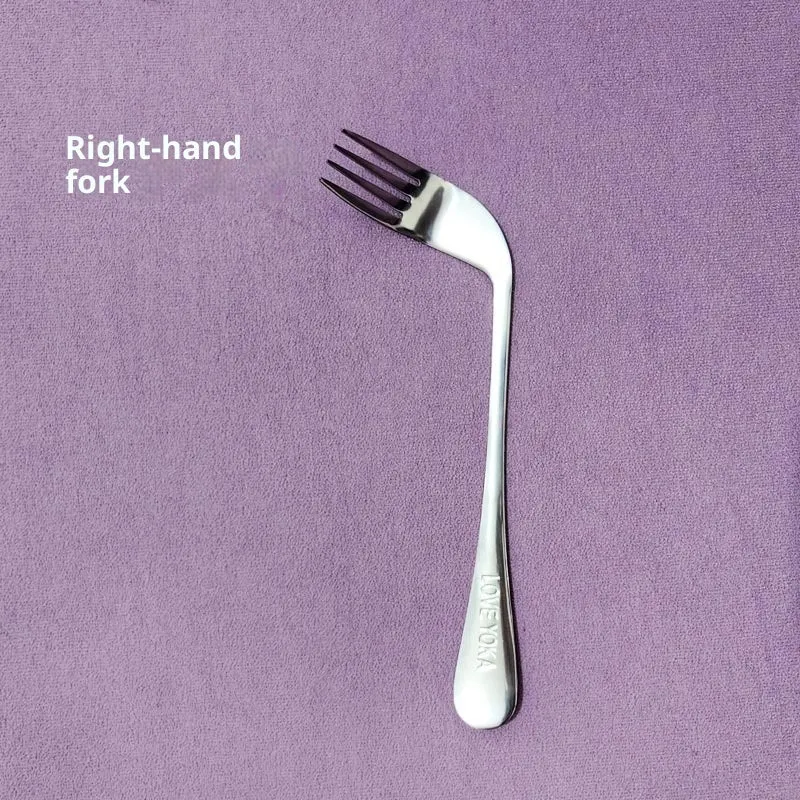
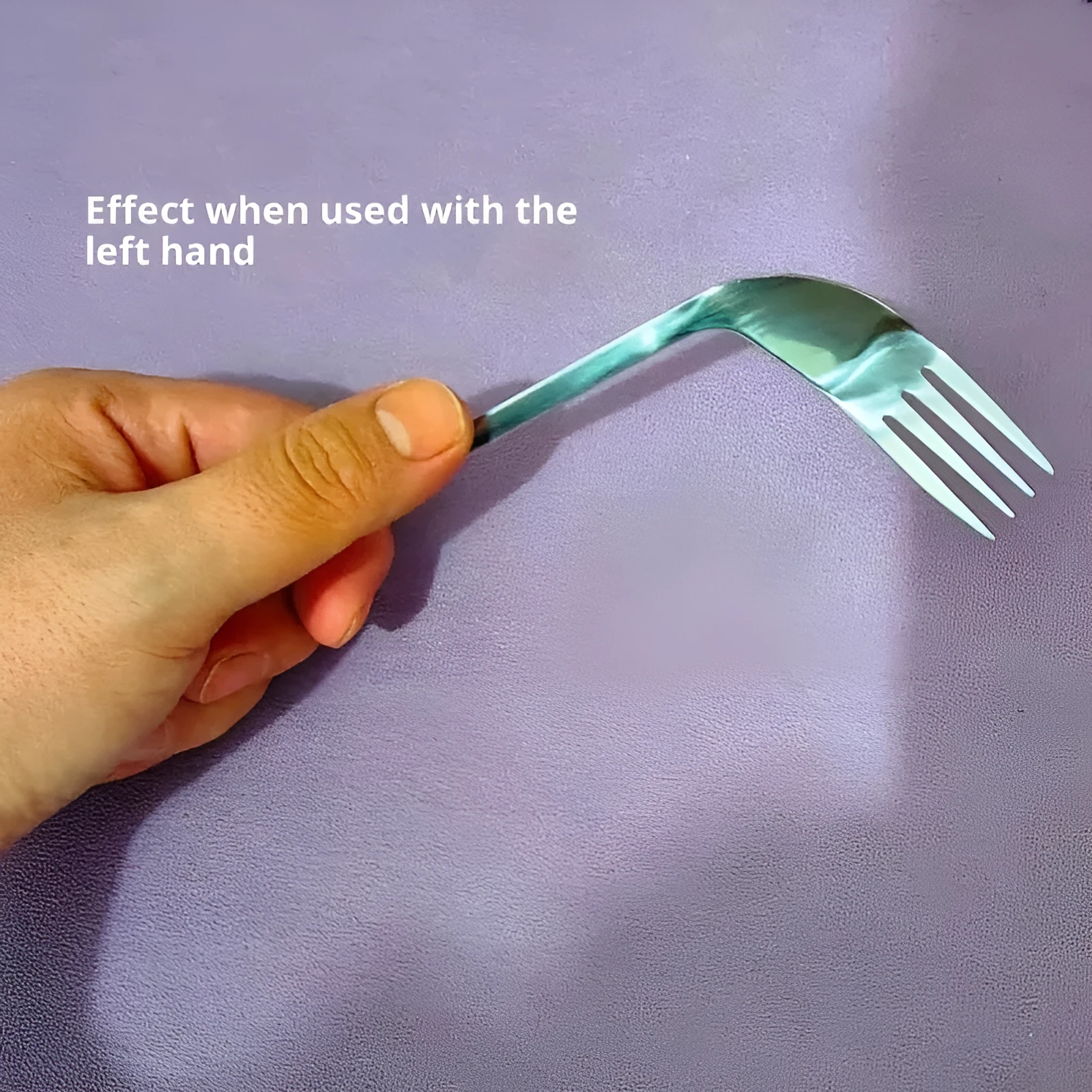
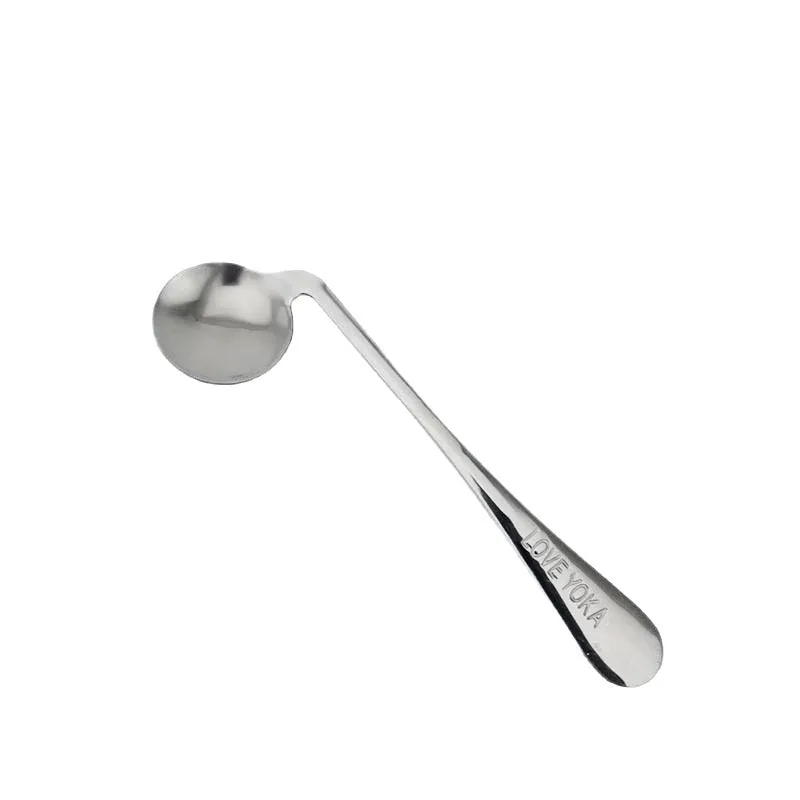
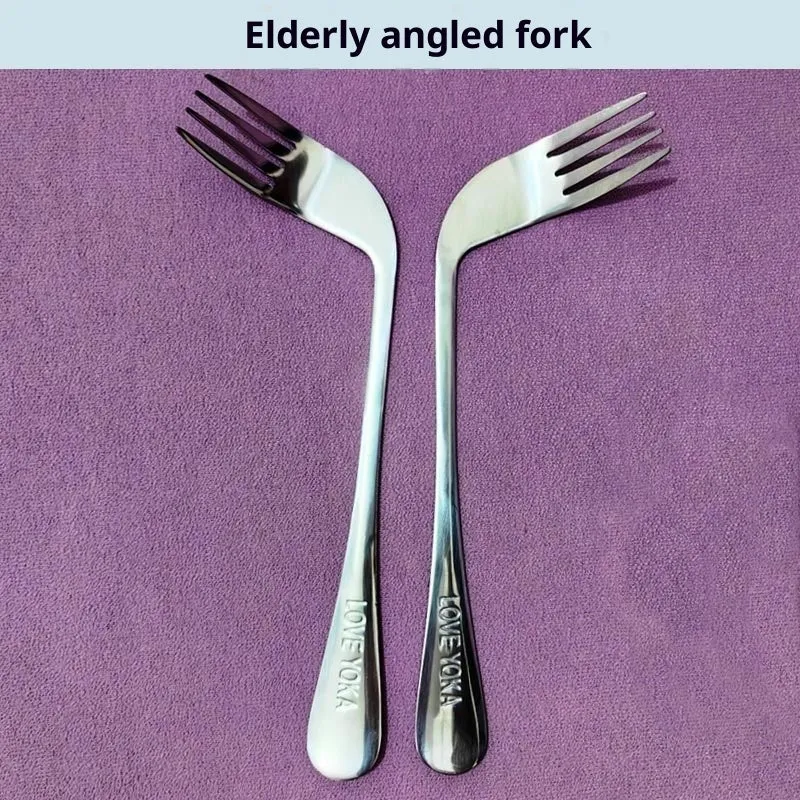
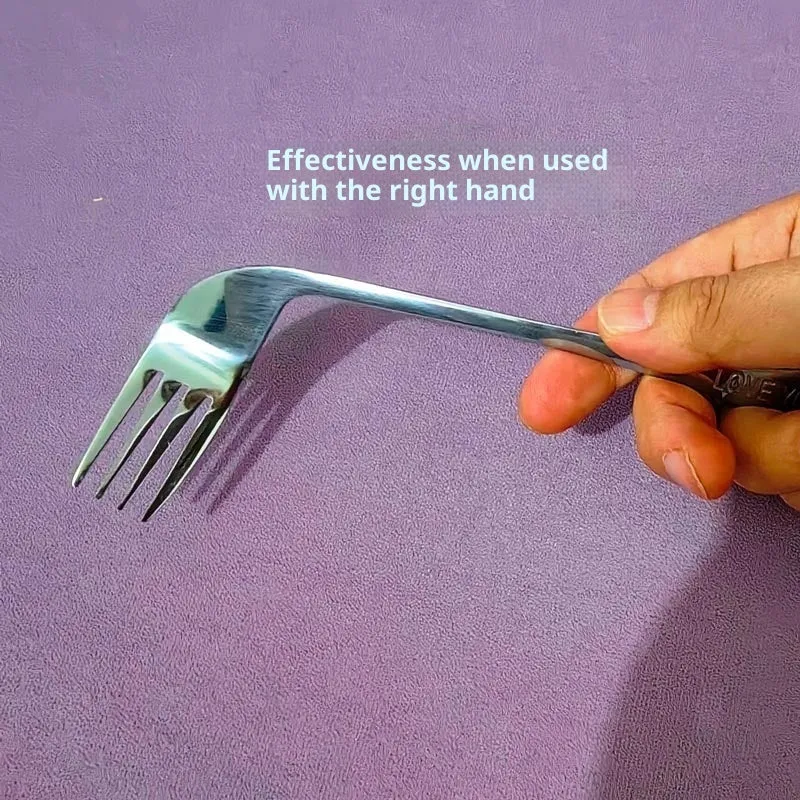
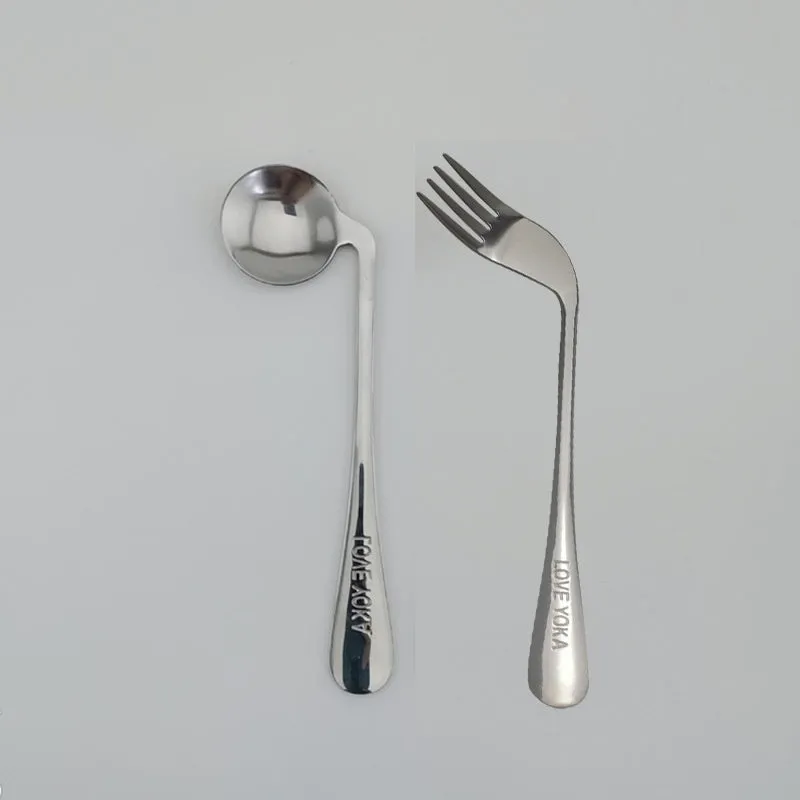
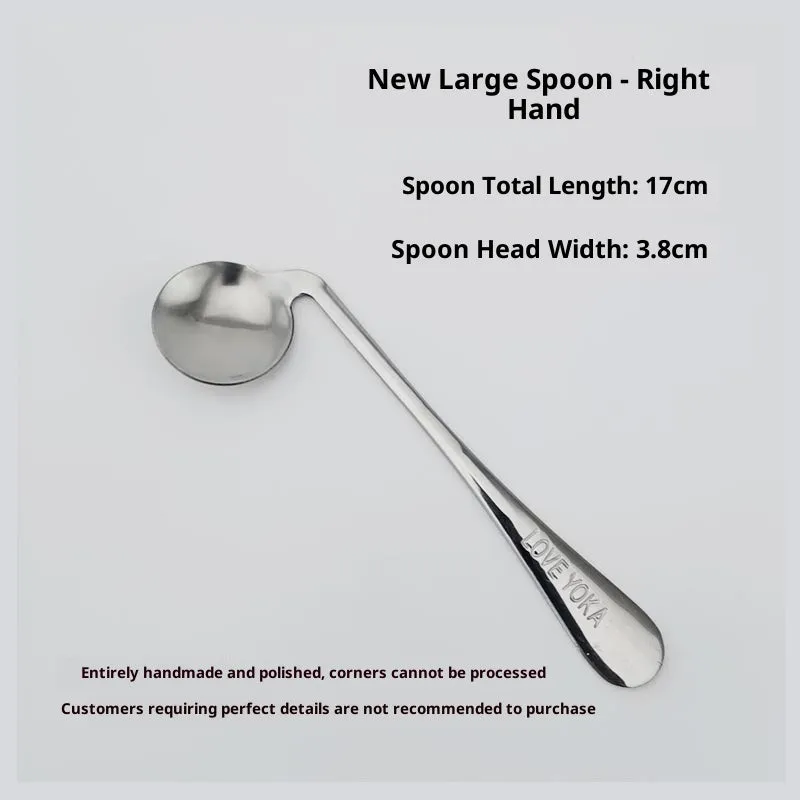
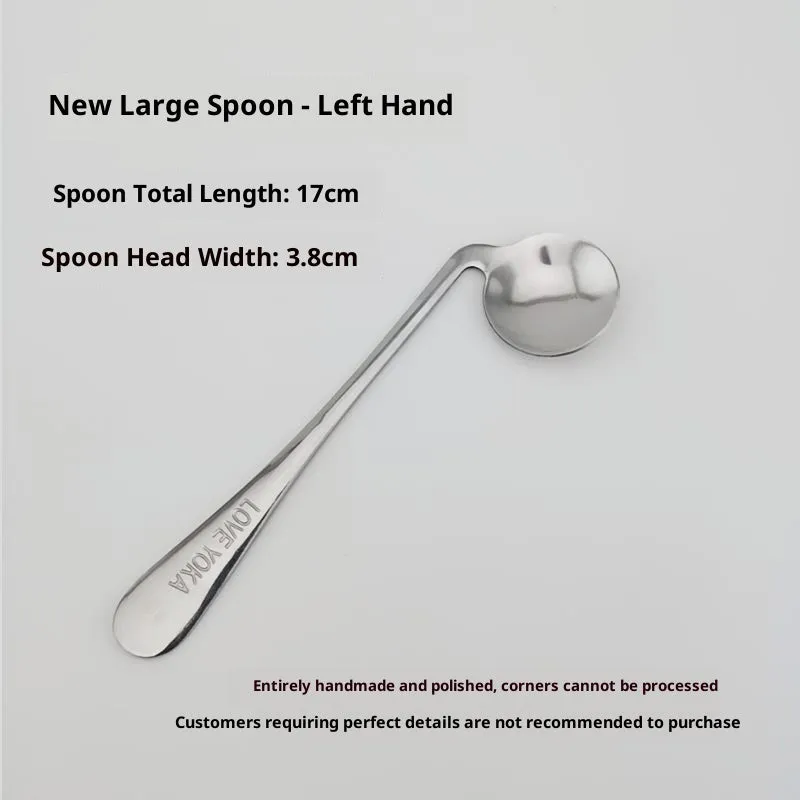
For many elderly or disabled individuals, the simple act of eating can become a struggle when hand or arm movement is restricted. Standard straight-handled cutlery often requires awkward wrist angles, making self-feeding tiring or impossible without help. This specially designed spoon and fork set addresses that challenge directly, featuring a curved handle that follows the natural angle of the arm. Made from durable stainless steel, these utensils are built for daily use and easy cleaning. Available in separate left-hand and right-hand versions for both spoon and fork, they allow the user to choose the orientation that works best for their specific needs. Whether recovering from an injury, managing arthritis, or living with a long-term condition, this feeding aid helps maintain independence at mealtimes.
Features and Construction
Each utensil is crafted with a clear purpose: to make eating easier for those with reduced dexterity or arm strength. The materials and design choices reflect this practical focus.
Material and Build
The spoon and fork are made from stainless steel, a material chosen for its strength, resistance to corrosion, and ease of cleaning. This ensures the cutlery remains hygienic after repeated use, a key consideration for feeding aids used in healthcare or home care settings. The metal construction also gives the utensils a reassuring weight that feels substantial in the hand, while remaining light enough for comfortable daily handling.
Size and Practical Fit
The utensils are sized for adult use, with a standard spoon and fork head that suits most mouths. The length of the handle is typical of table cutlery, but the key difference is the angled elbow shape. This bend brings the food-bearing end closer to the user without requiring them to lift their arm as high, reducing strain on shoulders and wrists. The design is intentionally simple to avoid confusion and to make the utensil easy to grip for those with limited hand function.
Uses and Placement
This feeding aid is designed for everyday eating situations but becomes especially valuable in care environments or for individuals with specific physical challenges.
Event or Professional Use
In care homes, hospitals, or rehabilitation centres, this curved cutlery can be a practical addition to mealtime routines. Staff can provide residents with the appropriate left- or right-hand version, promoting independence and reducing the need for one-to-one feeding assistance. The stainless steel material also meets hygiene standards for professional healthcare settings, where easy sterilisation is important.
Everyday Home Use
At home, the angled spoon and fork can make a significant difference to an individual's quality of life. Someone recovering from a stroke, dealing with arthritis, or living with Parkinson's disease may find they can eat more comfortably and with less spillage. The option to choose left- or right-hand orientation means the utensil can be matched to the user's dominant or most functional side, supporting natural eating habits.
Benefits and Buying Value
The value of this product lies not in complex features but in its ability to solve a real, everyday problem: enabling self-feeding when standard cutlery fails.
Reuse and Low Maintenance
The stainless steel construction means the utensil can be used repeatedly without degrading, requiring only basic washing to keep it clean. There are no batteries, no moving parts, and no special maintenance routines. This makes it a cost-effective, long-term solution for anyone who needs assistance with feeding, whether temporarily or permanently.
Why Choose This Product
Compared to generic cutlery, this design offers a targeted advantage: the angled handle reduces the physical effort needed to bring food to the mouth. It is a focused, no-frills tool that does one thing well. For carers and family members, it provides peace of mind that their loved one has a practical aid to support independent dining. For the user, it restores a measure of control and dignity during meals.