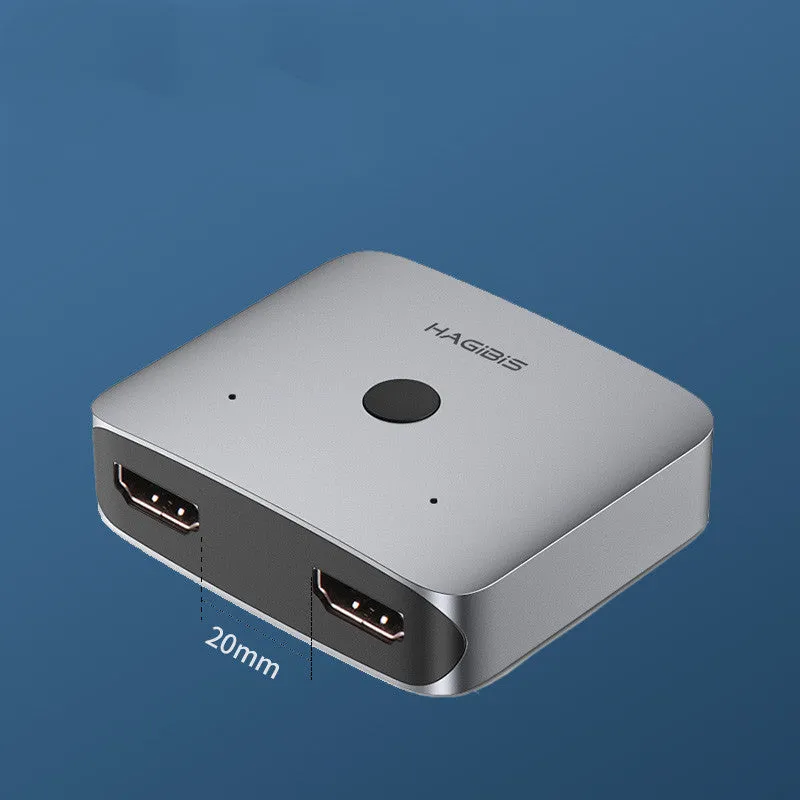
HDMI splitter switcher two input one output converter screen sharing device 1 to 2 splitter 4K computer TV monitor video switcher with three generation options including upgraded spacing and power supply


HDMI splitter switcher two input one output converter screen sharing device 1 to 2 splitter 4K computer TV monitor video switcher with three generation options including upgraded spacing and power supply
Haibeisi HDMI Switcher: Connect Two Devices to One Screen with 4K Video Support

Managing multiple HDMI devices like gaming consoles, set-top boxes, and computers often leads to a tangle of cables and frequent manual swapping at the back of your television or monitor. This HDMI switcher offers a streamlined solution, functioning as a two-input, one-output converter that lets you select between two sources with ease. It supports 4K video passthrough, ensuring your high-definition content is delivered clearly to your display. The product is offered in three distinct generations, allowing you to select the model that best suits your setup, from a basic version to an upgraded model with a dedicated power supply for improved reliability.
Features and Construction
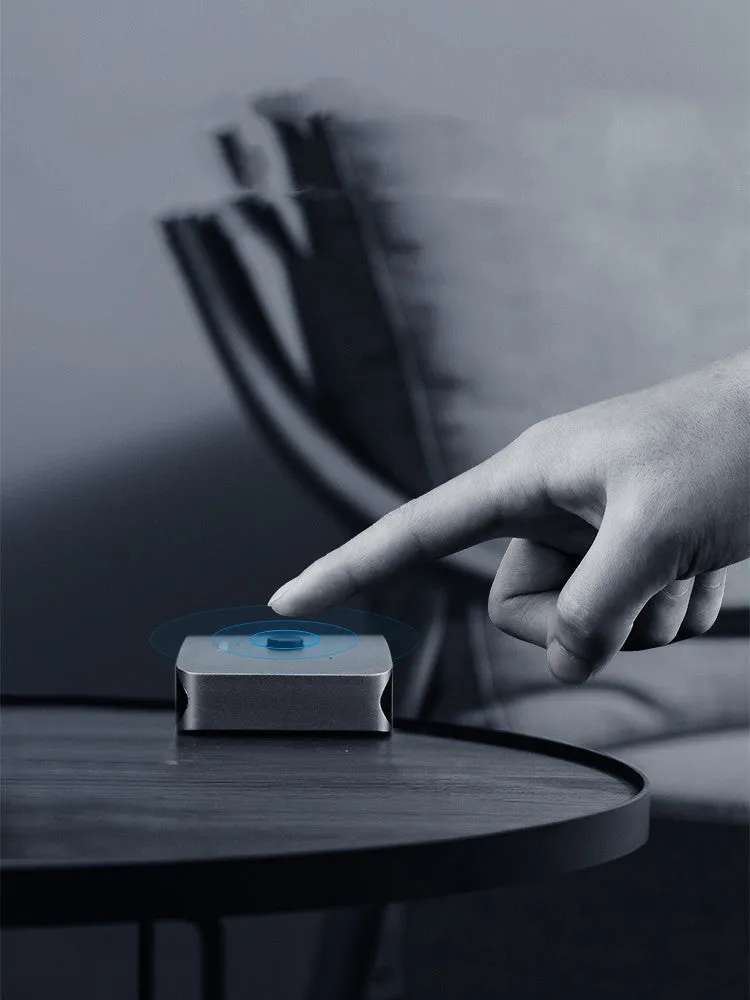
This device is designed as a practical video routing tool. Its core function is to take signals from two separate HDMI sources and channel the selected one to a single output display. The available model variants provide options for different levels of convenience and performance stability.
Material and Build
The source text does not specify the exact materials used in the switcher's construction. As a consumer electronics accessory, it is typically built from a combination of moulded plastics for the housing and metal for the HDMI port connectors to ensure repeated plugging and unplugging does not damage the unit. The grey colour provides a neutral, unobtrusive look that fits with most home entertainment or office setups.
Size and Practical Fit
While precise dimensions are not listed, the product's design is focused on functionality between devices. The second and third-generation models specifically mention an 'upgraded large spacing' between connectors. This design choice is practically relevant as it makes it easier to plug in standard-sized HDMI cables without them crowding or interfering with each other, which is a common frustration with compact AV switches.
Uses and Placement
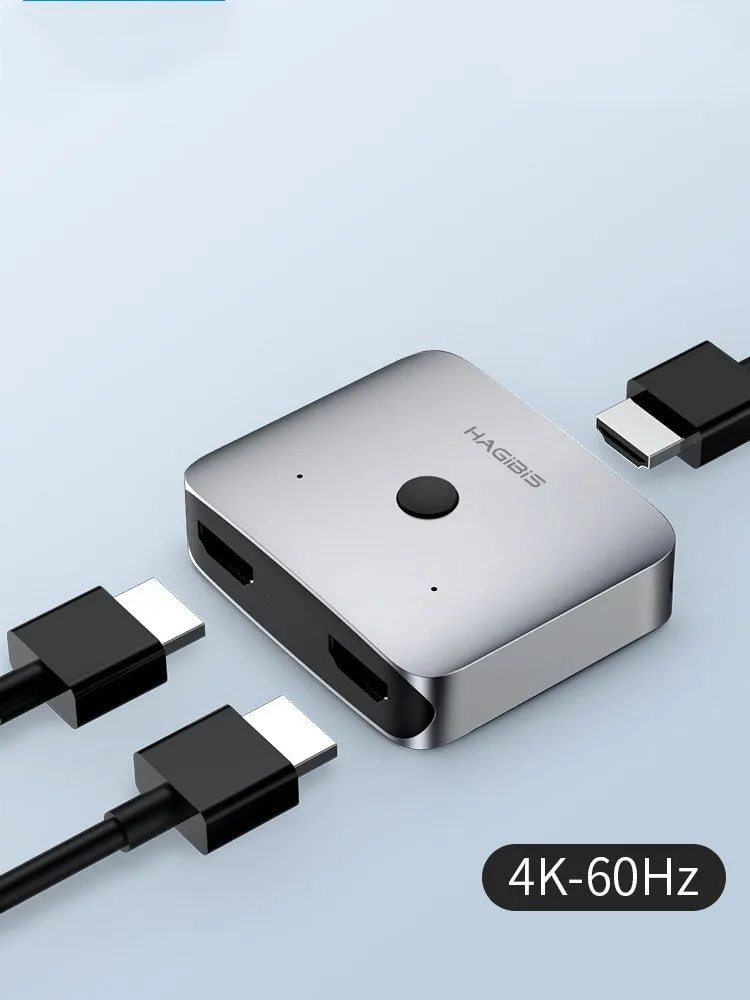
The switcher is versatile and can be integrated into various environments where multiple video sources need to share a single screen. Its operation is described as a 'one drag two' splitter, suggesting a simple switching mechanism, likely a button or switch, to change the active source.
Event or Professional Use
In a professional or presentation setting, this switcher could be used to alternate between a laptop and a media player on a single projector or large display without needing to reconnect cables. The 4K support means it can handle high-resolution content from modern computers and media sources, making it suitable for digital signage, conference rooms, or exhibitions where visual quality is important.
Everyday Home Use
For home entertainment systems, it solves the common problem of having insufficient HDMI ports on a television. You can connect both a games console and a streaming device, switching between them effortlessly. The recommendation for the third-generation model with its external power supply highlights its suitability for stable, continuous use with devices that may draw more power through the HDMI connection, ensuring a reliable signal without flickering or dropouts.
Benefits and Buying Value
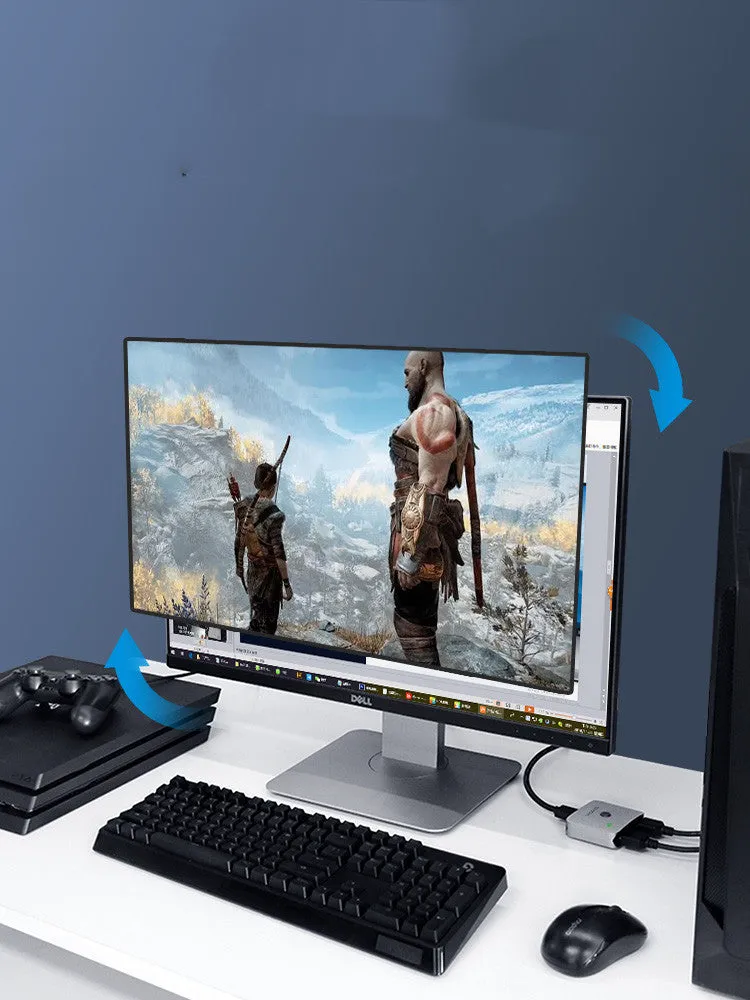
The value of this HDMI switcher lies in its simplicity and the specific upgrade options provided. It extends the functionality of your existing display without requiring a complex or expensive AV receiver.
Reuse and Low Maintenance
As a passive switching device with no complex software or moving parts, it is designed for long-term use. The robust connector design, especially in the upgraded-spacing models, contributes to its longevity by reducing physical strain on the ports. There are no specialist care instructions needed; simply keep it free from dust and avoid exposing it to liquids.
Why Choose This Product
This product offers a clear choice between three specific models, which is a key differentiator. You can select the basic first generation for simple, occasional use, the second generation for better physical cable management, or the third generation for the most stable performance with powered devices. This tiered approach allows you to pay only for the features and assurance level you require, based on the demands of your connected equipment.