
Shuanglong Front Oxygen Sensor replacement part for automotive exhaust system monitoring, compatible with specific vehicle models requiring precise O2 sensor readings, single sensor unit packaged individually with connector included


Shuanglong Front Oxygen Sensor replacement part for automotive exhaust system monitoring, compatible with specific vehicle models requiring precise O2 sensor readings, single sensor unit packaged individually with connector included
Shuanglong Front Oxygen Sensor Replacement Unit for Exhaust System Monitoring

This automotive oxygen sensor serves as a replacement component specifically designed for the front position on Shuanglong vehicle exhaust systems. When original equipment sensors develop faults or reach the end of their service life, this unit provides a straightforward replacement option to restore proper exhaust gas monitoring. The sensor plays a crucial role in modern engine management by measuring oxygen levels in exhaust gases, providing essential data to the vehicle's computer for optimising fuel mixture and combustion efficiency. Proper functioning oxygen sensors contribute to maintaining engine performance, fuel economy, and emissions compliance.
Features and Construction
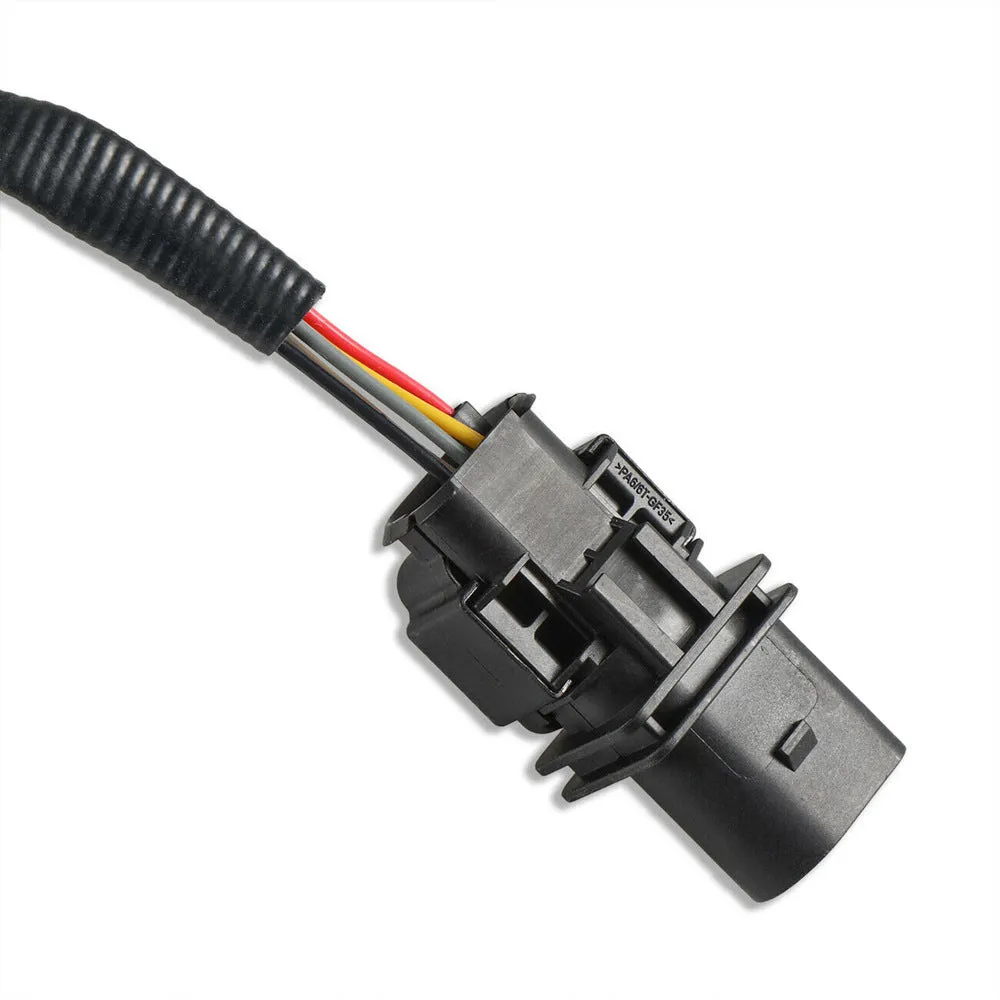
As a Type 0 classified sensor according to the product information, this unit represents a specific configuration within oxygen sensor designs. The inclusion of an electrical connector with the sensor simplifies installation compared to units requiring separate connector sourcing. While detailed construction materials aren't specified in the available information, automotive oxygen sensors typically incorporate ceramic sensing elements housed within protective metal casings designed to withstand exhaust system temperatures and conditions.
Material and Build
The source text doesn't provide specific details about the sensor's internal construction materials or manufacturing processes. Automotive oxygen sensors generally feature zirconia or titania sensing elements that generate voltage signals proportional to oxygen concentration differences between exhaust gas and outside air. These elements require protective housings that can endure the harsh thermal and chemical environment of exhaust systems while maintaining measurement accuracy. The electrical connector included with this sensor ensures proper interface with the vehicle's wiring harness.
Size and Practical Fit
No dimensional specifications are provided in the source material, so installation requires verification of physical compatibility with the existing mounting location on Shuanglong vehicles. Front position sensors typically install before the catalytic converter in the exhaust manifold or downpipe area, where they monitor the air-fuel mixture directly from the engine. Proper thread size and pitch matching the original equipment is essential for leak-free installation, though these details aren't specified in the available product information.
Uses and Placement
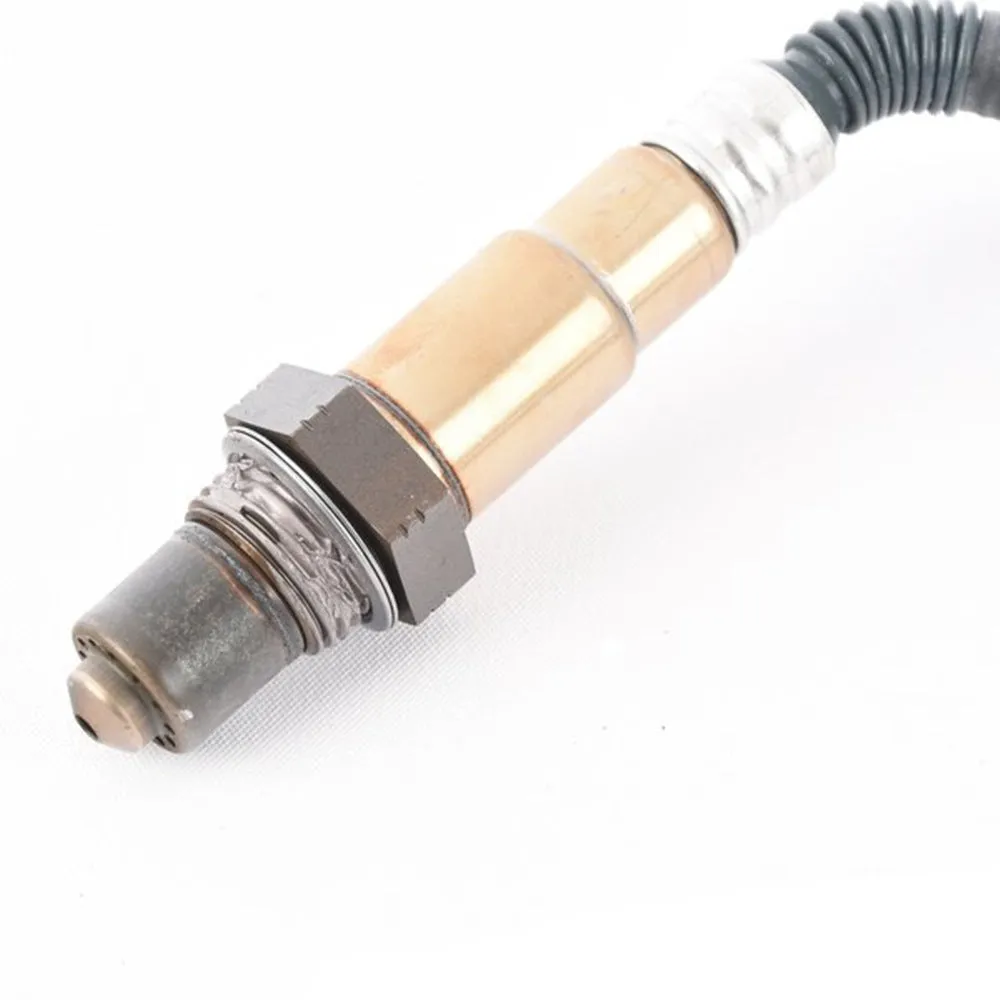
This sensor serves specifically as a front oxygen sensor replacement for Shuanglong vehicles, occupying a position in the exhaust system that provides critical data about combustion efficiency. Front sensors, sometimes called upstream sensors, measure oxygen content in exhaust gases before they reach the catalytic converter, giving the engine control unit immediate feedback for fuel mixture adjustments. This positioning makes them particularly important for maintaining optimal air-fuel ratios during various driving conditions.
Event or Professional Use
For professional mechanics and automotive workshops, this sensor provides a replacement option when diagnosing and repairing Shuanglong vehicles with oxygen sensor-related fault codes or performance issues. Common symptoms prompting sensor replacement include illuminated check engine lights with oxygen sensor codes, poor fuel economy, rough idling, or failed emissions testing. Professional installation typically involves proper diagnostic procedures to confirm sensor failure rather than other exhaust or fuel system issues before replacement.
Everyday Home Use
For vehicle owners performing their own maintenance, this sensor offers a potential solution when facing oxygen sensor problems on compatible Shuanglong models. DIY replacement requires appropriate tools including oxygen sensor sockets, penetrating lubricant for potentially seized threads, and proper safety equipment when working under vehicles. Installation typically involves locating the existing sensor, disconnecting the electrical connector, unscrewing the old unit, and threading in the replacement with careful attention to torque specifications to avoid damage.
Benefits and Buying Value
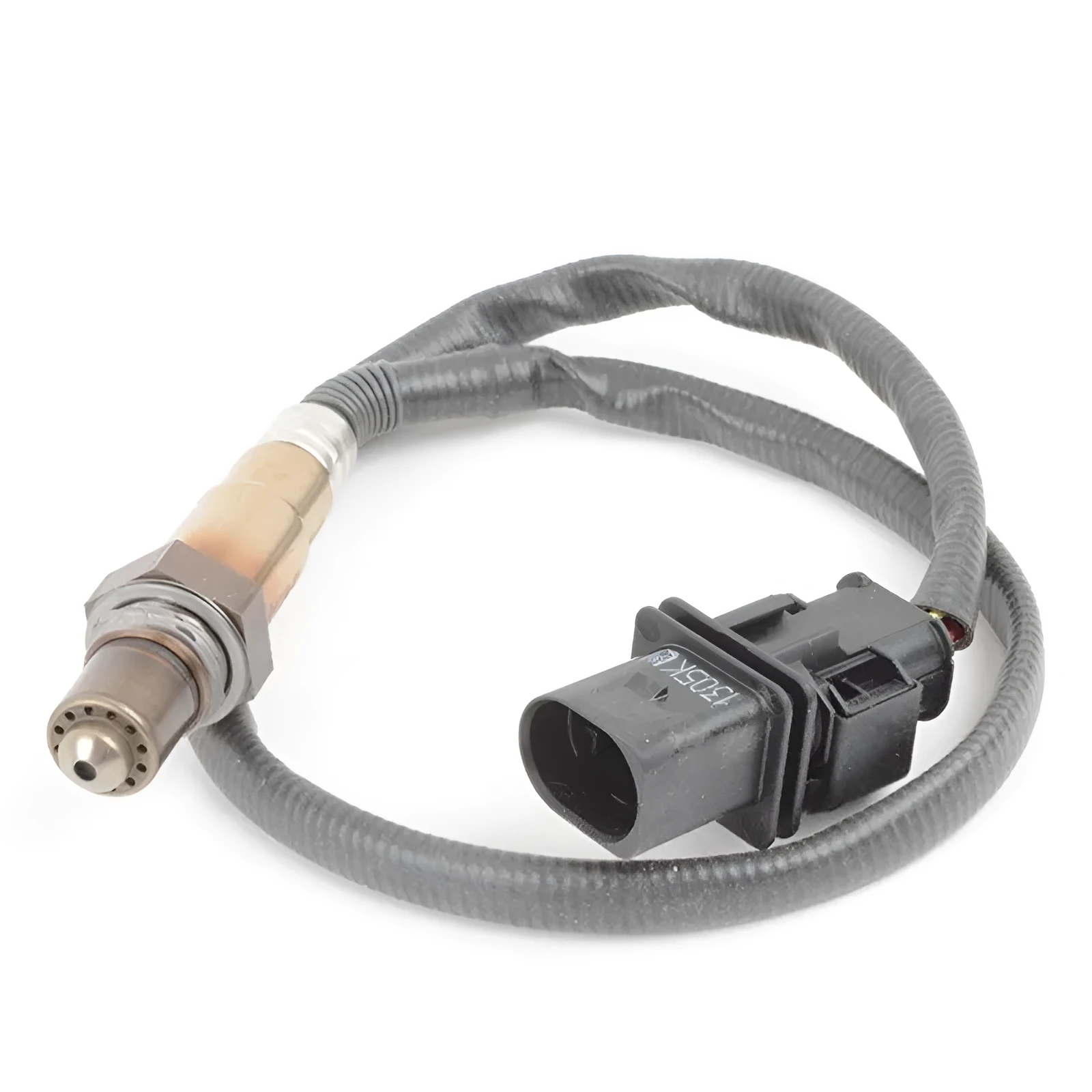
Replacing a faulty oxygen sensor can restore proper engine management system function, potentially improving fuel efficiency and reducing emissions from your vehicle. The front sensor position particularly influences immediate fuel mixture adjustments, making its proper function crucial for both performance and environmental compliance. This specific Shuanglong application ensures you're purchasing a sensor intended for your vehicle's particular requirements rather than a universal fit that might require additional adapters or modifications.
Reuse and Low Maintenance
Unlike some automotive components requiring periodic adjustment or servicing, oxygen sensors typically function until replacement becomes necessary. Modern sensors don't require routine maintenance beyond ensuring electrical connections remain clean and secure. The included connector with this sensor provides a complete replacement unit rather than requiring separate connector purchase or wiring modifications. Proper installation following manufacturer procedures helps ensure maximum service life from the replacement sensor.
Why Choose This Product
This sensor offers a targeted solution for Shuanglong owners needing front oxygen sensor replacement, with the included electrical connector simplifying installation compared to some aftermarket options. While comprehensive compatibility information isn't provided in the source text, the specific Shuanglong front designation helps identify the intended application. When your vehicle's diagnostic system indicates oxygen sensor issues, this replacement unit provides a straightforward path to restoring proper exhaust monitoring function without the complexity of universal fit sensors requiring additional adaptation.