

Soft cat cone collar pet Elizabethan collar adjustable recovery collar for cats and kittens after surgery to stop licking biting wound protection with foldable edges for better vision comfort EPE material lightweight


Soft cat cone collar pet Elizabethan collar adjustable recovery collar for cats and kittens after surgery to stop licking biting wound protection with foldable edges for better vision comfort EPE material lightweight
Soft adjustable cat cone collar with foldable edges for post-surgery wound protection and clear vision

This cat cone collar provides a practical solution for pet owners needing to protect their cat's surgical sites or injuries from licking and biting. Unlike traditional rigid plastic Elizabethan collars, it uses soft EPE foam material that offers cushioning comfort while still creating an effective barrier. The collar helps ensure proper healing after operations or for skin conditions where pets might aggravate wounds. Its adjustable strap allows custom fitting for different neck sizes, making it suitable for both kittens and larger cats during recovery periods.
Features and Construction

This cat recovery collar combines several design elements to improve on traditional cone designs while maintaining protective functionality. Each feature addresses common complaints about standard Elizabethan collars while providing the necessary wound protection.
Material and Build
The collar is constructed from EPE foam material, which provides a lightweight and breathable alternative to hard plastic. This material offers cushioning against bumps and contact with furniture or walls, reducing discomfort during daily wear. The soft construction allows cats to eat and sleep more normally compared to rigid cones that can obstruct movement and cause frustration.
Size and Practical Fit
Available in S, M, and L sizes to accommodate different cat breeds and ages. The adjustable strap enables fine-tuning of the neck fit, with a knot-secure system to prevent loosening during wear. Proper measurement of your cat's neck girth is essential before selection, and you should ensure the cat's head length is less than the cone depth for effective protection. This sizing approach helps prevent the collar from being dislodged while maintaining comfort.
Uses and Placement
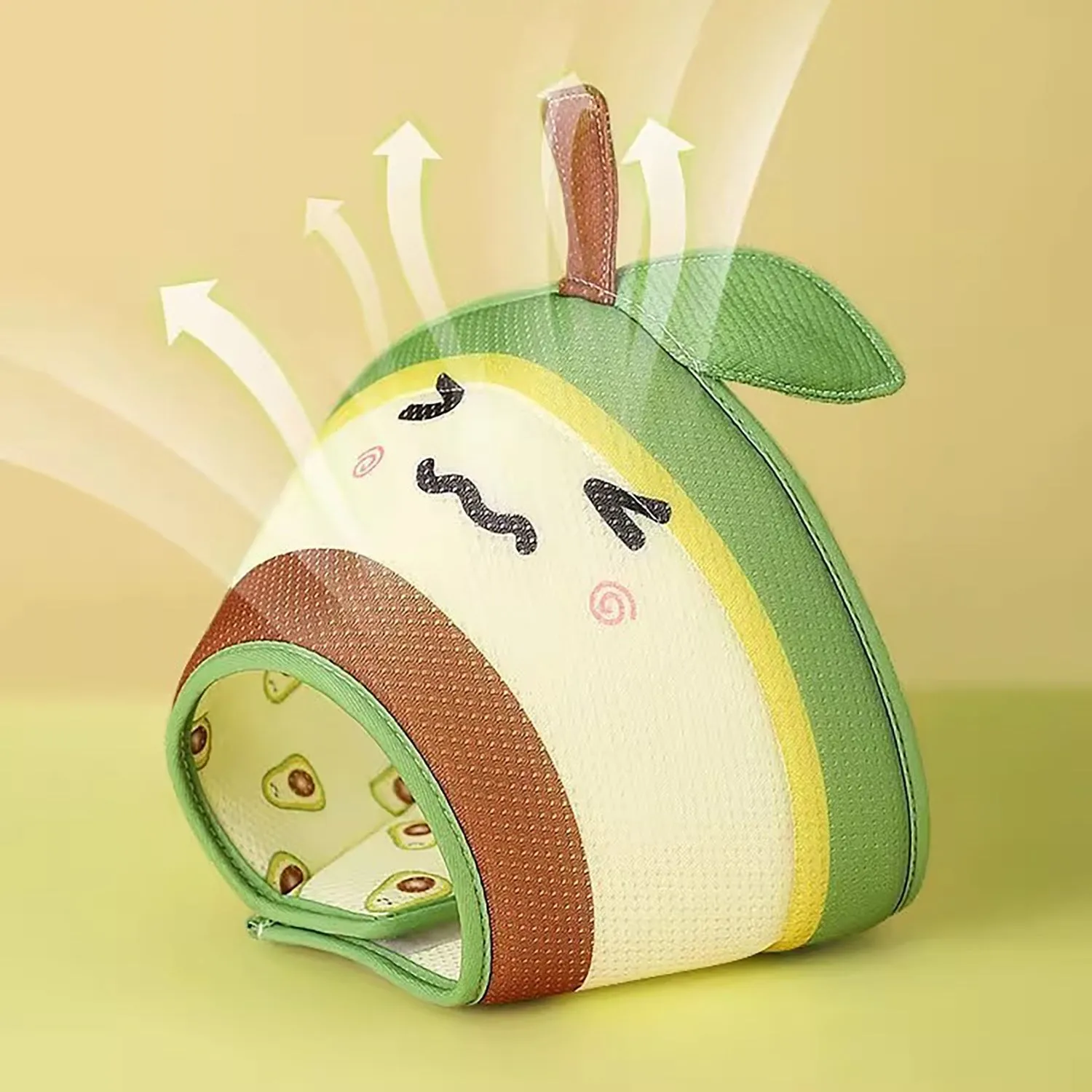
The cat cone collar serves both medical and behavioural purposes, offering protection in various scenarios where pets might interfere with healing or skin conditions.
Event or Professional Use
Primarily designed for postoperative recovery after veterinary procedures such as spaying, neutering, or wound surgeries. It creates a physical barrier that prevents cats from reaching stitches or surgical sites with their mouths. Veterinary professionals may recommend this type of collar for specific healing periods where wound interference could lead to complications or infections requiring additional treatment.
Everyday Home Use
Suitable for home recovery environments where pets need protection from licking injuries, hotspots, or skin irritations. The foldable edge design allows better peripheral vision compared to traditional cones, enabling cats to navigate household spaces more comfortably. This can reduce stress during recovery periods and make the healing process less disruptive to normal pet behaviours and routines.
Benefits and Buying Value
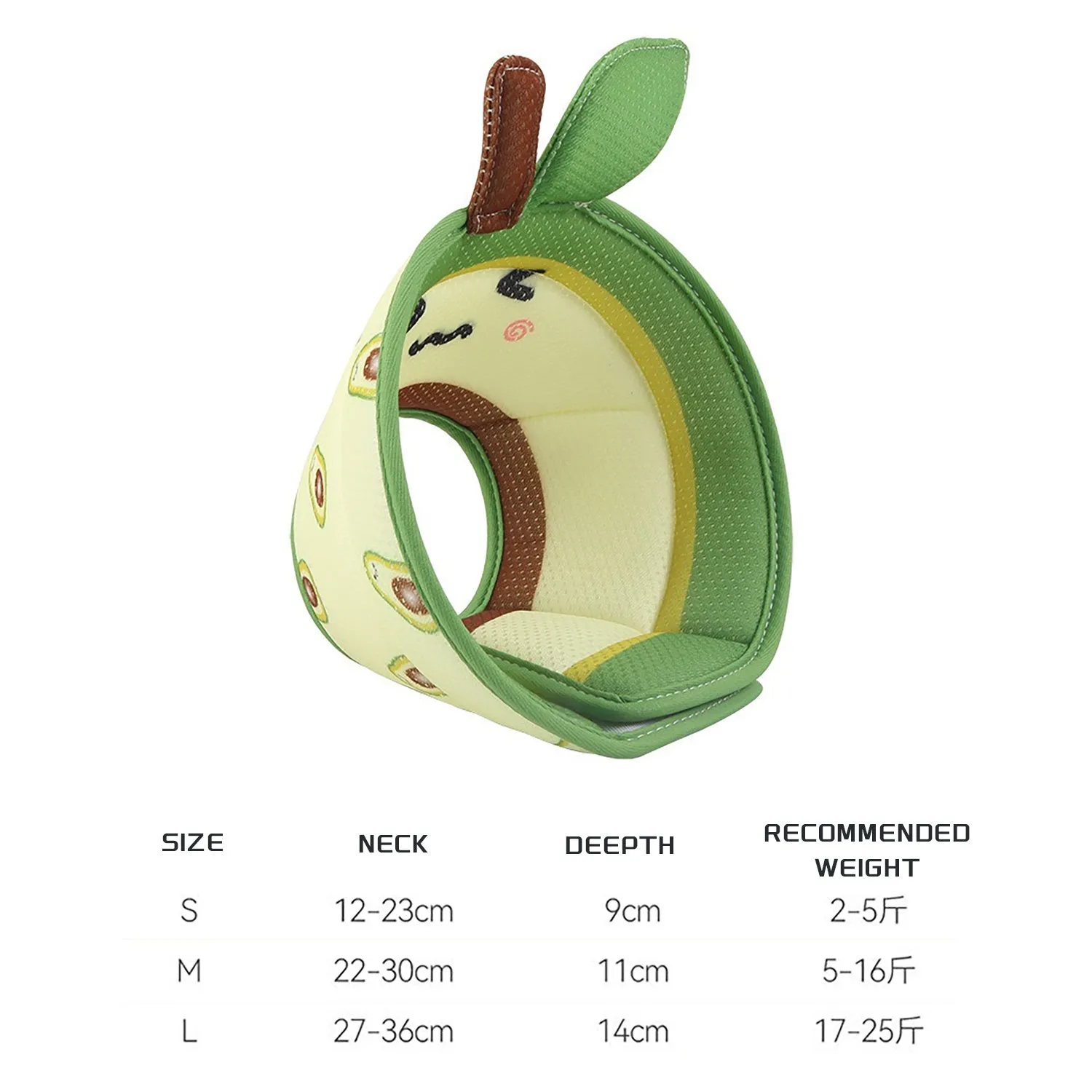
This cat cone collar offers practical advantages over standard Elizabethan collars while maintaining the essential protective function needed for pet recovery situations.
Reuse and Low Maintenance
The collar can be used for multiple recovery periods if properly cleaned and stored, offering value beyond single-use applications. Its simple design requires minimal maintenance—surface cleaning with appropriate pet-safe products is typically sufficient. The adjustable strap system accommodates growth or weight changes if needed for future use with the same pet.
Why Choose This Product
This collar addresses specific drawbacks of traditional plastic cones through its soft EPE material and foldable edge design. It maintains protective functionality while improving comfort through better vision and reduced bulk. The adjustable fitting system helps ensure secure placement on different neck sizes, reducing the likelihood of pets removing the collar themselves during recovery periods.

