

Dual network anti-theft alarm host with mobile card and phone line alarm, wireless and wired probe input, 4 wired plus 99 wireless defence zones, configurable for up to 99 wireless devices, operates at -10 to +50°C, white colour


Dual network anti-theft alarm host with mobile card and phone line alarm, wireless and wired probe input, 4 wired plus 99 wireless defence zones, configurable for up to 99 wireless devices, operates at -10 to +50°C, white colour
Dual network anti-theft alarm host with mobile card and phone line backup
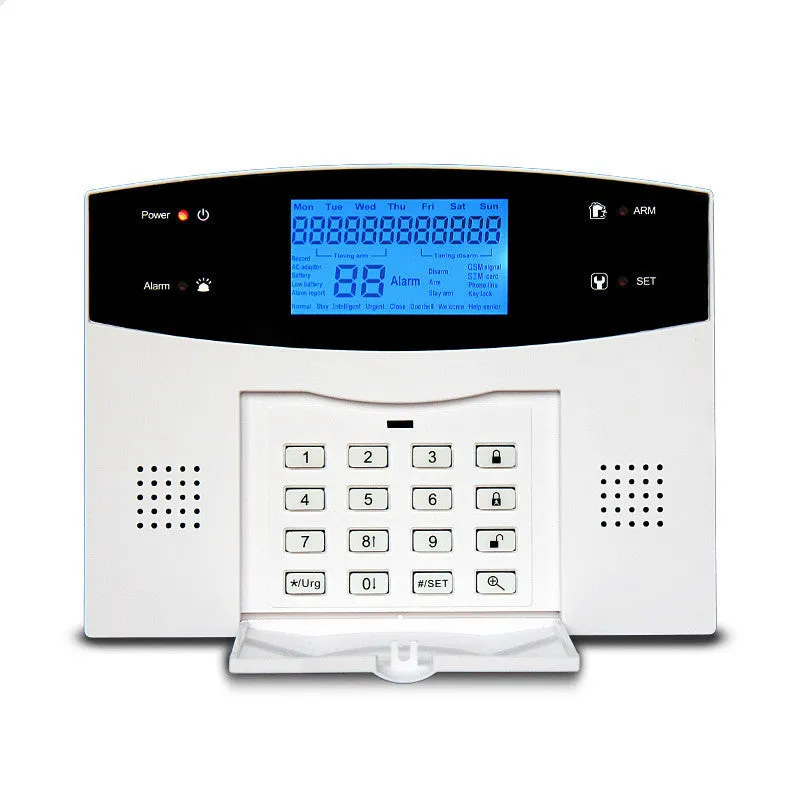
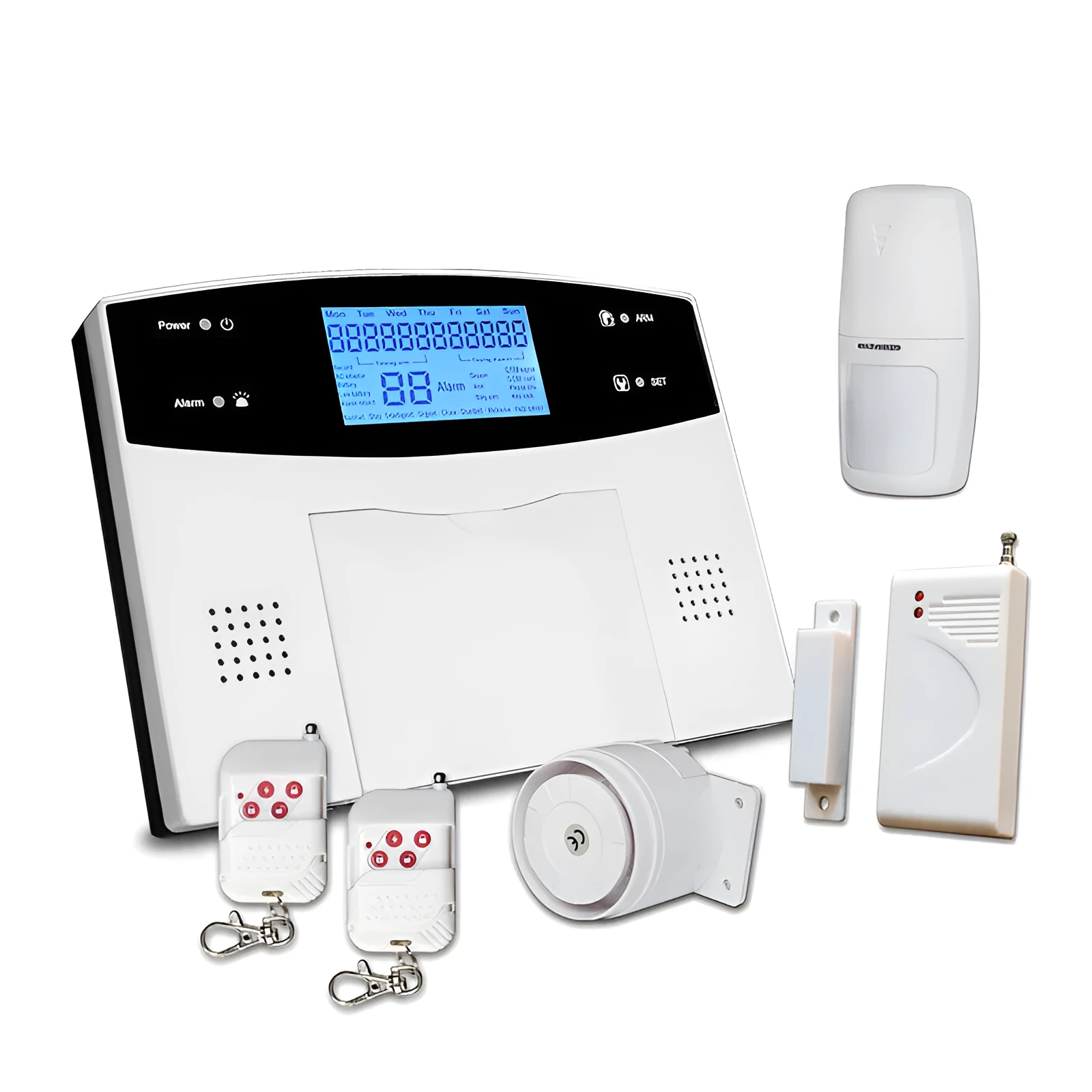
This dual network anti-theft alarm host uses both a mobile card and a telephone line to send alarm signals, giving you a secondary communication path if one network goes down. It accepts wireless and wired probe inputs, making it straightforward to integrate into existing security setups. With 4 wired defence zones and up to 99 wireless zones, the system can monitor a large number of entry points and sensors. Designed for indoor use in temperatures from -10°C to +50°C, this white alarm host provides practical, expandable security for homes and small commercial premises.
Communication and alarm features
The host uses two independent communication channels for alarm transmission, reducing the risk of failed alerts. Both channels are available for setup, and the system can be configured to use one or both as needed.
Mobile card alarm
Alerts are sent via the mobile cellular network, providing coverage in areas without a landline. The host supports a standard SIM card for this function.
Telephone line alarm
In addition to mobile, the host can send alarms over a traditional phone line, ensuring compatibility with existing wired telephone infrastructure.
Dual channel reliability
Having both communication methods means that if one network is unavailable, the other can still deliver the alarm message. This dual-path approach adds a layer of dependability compared to single-channel systems.
Zone configuration and device capacity
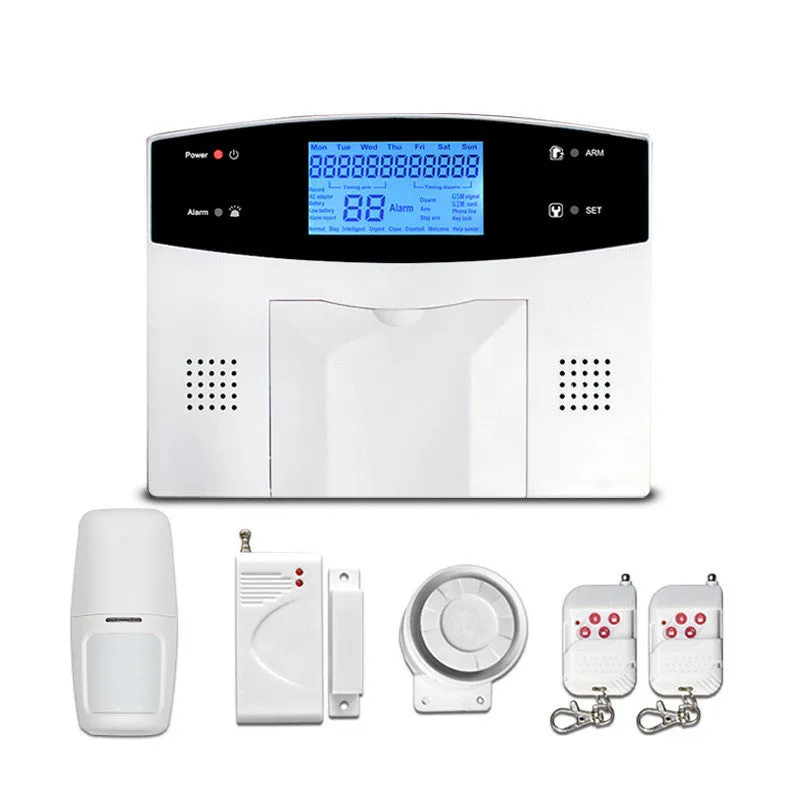
The system is built to handle a mix of wired and wireless sensors, with clearly defined zone limits. This allows you to scale the setup according to the size of the property.
4 wired defence zones
Four hardwired inputs are available for sensors such as door contacts or passive infrared detectors. These zones offer a stable, low-latency connection.
99 wireless defence zones
The host supports up to 99 wireless zones, giving you considerable flexibility for expanding coverage without additional cabling. Each zone can be assigned to a different wireless device.
99 configurable wireless devices
Up to 99 individual wireless devices can be paired with the system, matching the zone capacity. This allows comprehensive monitoring of doors, windows, motion sensors, and other security peripherals.
Installation and operating conditions
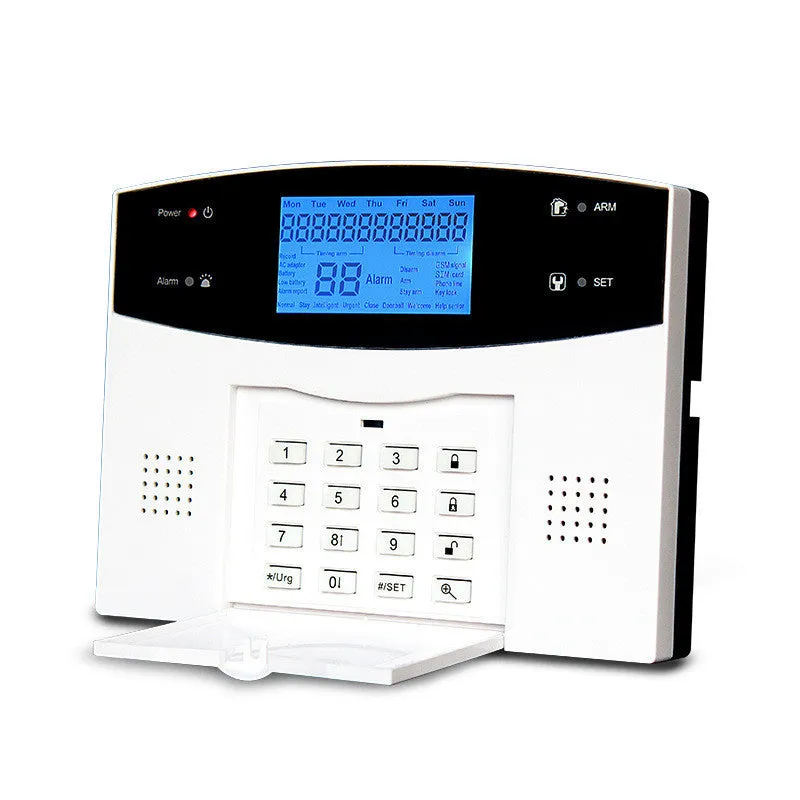
The host is designed for indoor mounting and requires a suitable power supply. Operating temperature limits are provided to ensure reliable performance.
Ambient temperature range
The unit functions within an ambient temperature range of -10°C to +50°C, making it suitable for heated indoor environments in most climates. Avoid installation in unheated outbuildings or direct sunlight.
Probe input flexibility
Both wired and wireless probe inputs are supported, giving you the option to mix sensor types. Wired probes connect to the 4 hardwired terminals; wireless probes pair via the system.
Colour and mounting
The host comes in a white finish, designed to blend with standard home interiors. It can be wall-mounted or placed on a shelf near a power outlet and telephone jack if used.
Benefits and buying value
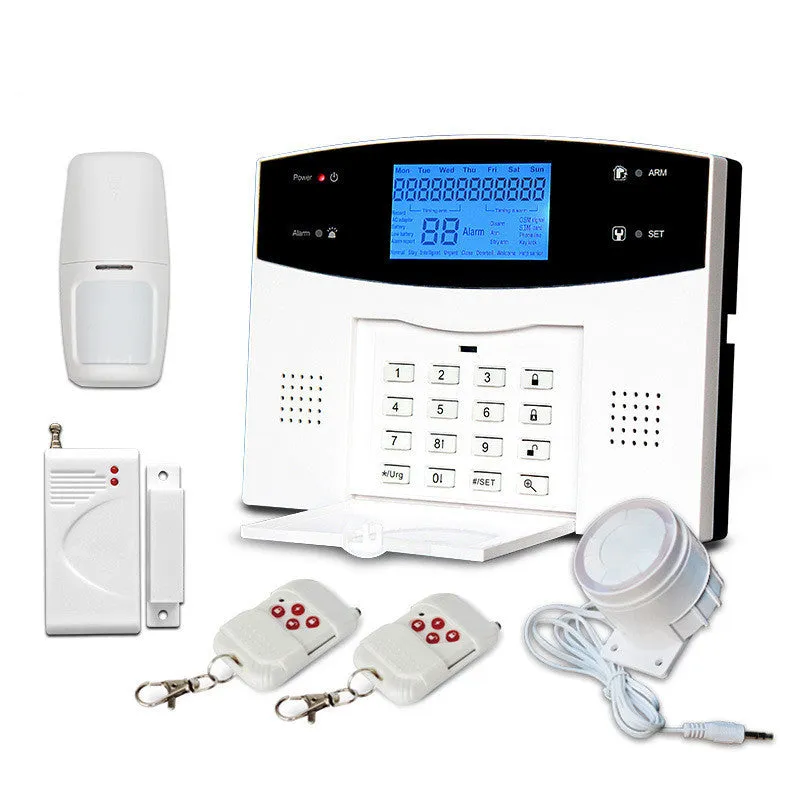
This alarm host offers a practical, expandable security solution without requiring extensive rewiring. Dual communication paths help maintain alert delivery even during network failures.
Reuse and low maintenance
The system uses standard components and wireless pairing, so adding or replacing sensors is straightforward. There are no proprietary batteries or specialised tools needed for daily use.
Why choose this product
If you need a security alarm that combines landline and cellular backup, along with support for a large number of zones, this dual network host delivers those features in one package. It is suitable for users who want a mix of wired and wireless devices without being limited by single-path communication.