

Imported alloy micro-engraving bit tungsten carbide bit with high hardness and wear resistance for circuit board electronics SMT die and hardware processing in diameters from 0.10mm to 2.00mm


Imported alloy micro-engraving bit tungsten carbide bit with high hardness and wear resistance for circuit board electronics SMT die and hardware processing in diameters from 0.10mm to 2.00mm
Imported Tungsten Carbide Micro-Engraving Bit for Circuit Board and Precision Hardware Processing

This imported micro-engraving bit is constructed from tungsten carbide, a material also referred to as tungsten steel, chosen for its specific properties of high hardness and high wear resistance. These characteristics make it suitable for applications where the tool must maintain its edge and structural integrity under the stresses of precision machining. The bit is designed to offer high strength alongside bending resistance and fracture resistance, addressing the need for durability in detailed industrial tasks. Its stated applications include circuit board manufacturing, electronics assembly, SMT (Surface Mount Technology) processes, die work, and general hardware processing, indicating a role in sectors where accuracy and tool longevity are priorities. With a comprehensive range of diameter specifications, it provides options for varying levels of detail, from extremely fine 0.10mm engraving up to 2.00mm work.
Features and Construction
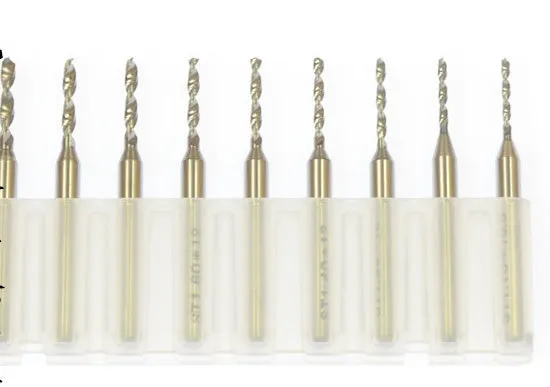
The core appeal of this engraving bit lies in its material composition and the resulting physical properties that support precise, demanding work.
Material and Build
The bit is made entirely from imported cemented carbide, commonly known as tungsten carbide or tungsten steel. This material is the source of its stated high hardness, which helps the bit resist deformation, and its high wear resistance, which contributes to a longer usable life by reducing the rate of material loss during cutting or engraving. The construction is focused on delivering high strength, bending resistance, and fracture resistance, which collectively help the tool withstand the lateral and torsional forces encountered during micro-engraving and precision machining operations without failing.
Size and Practical Fit
The product is offered in a complete specification range, with individual diameter sizes clearly listed. These sizes start at the very fine 0.10mm and progress through increments such as 0.15mm, 0.20mm, and upwards to 1.00mm, 1.50mm, and finally 2.00mm. This range allows users to select the exact tool size needed for their specific task, whether it involves creating minute traces on a circuit board or performing slightly larger engraving work on metal components. The availability of these precise diameters is a key differentiator, enabling matched tooling for project requirements.
Uses and Placement
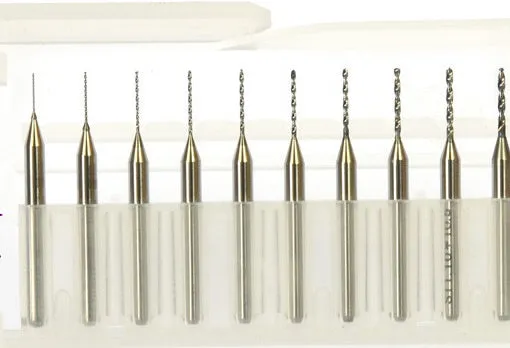
According to the source text, this bit has defined industrial applications, suggesting its primary use is in professional or manufacturing settings rather than casual hobbyist work.
Event or Professional Use
In professional environments, the bit is applicable to the circuit board, electronics, SMT (Surface Mount Technology), die, and hardware processing industries. This indicates its use in creating, modifying, or repairing precise components where material removal at a microscopic scale is necessary. For example, in electronics, it could be used for PCB milling or trimming; in die work, for creating fine mould details; and in hardware processing, for engraving serial numbers or decorative patterns on small metal parts. The tool's material properties aim to provide consistency and reliability for these repeated, high-precision tasks.
Everyday Home Use
While the source focuses on industrial applications, a user with access to appropriate micromachining equipment, such as a high-precision CNC router or engraver, might employ this bit for detailed model-making, jewellery crafting, or intricate DIY projects requiring fine detail on hard materials. However, its performance is linked to the stated industrial applications, and any home use would depend on having compatible, often professional-grade, machinery to handle the small diameters and hard material of the bit itself.
Benefits and Buying Value
The value of this product is rooted in its specified material advantages and the practical utility offered by its size range for professional machining work.
Reuse and Low Maintenance
The high wear resistance of the tungsten carbide material suggests the potential for extended tool life compared to tools made from softer materials, meaning the bit may maintain its cutting profile for longer under normal use conditions before needing replacement. This can contribute to lower long-term consumable costs and less frequent tool changes in a production setting. Users should follow standard care practices for carbide tools, such as proper storage to prevent chipping and using suitable cutting speeds and feeds, to support this longevity.
Why Choose This Product
This micro-engraving bit presents a specific solution for those needing a tool made from imported tungsten carbide with high hardness and wear resistance for precision tasks. Its key differentiators are its clearly stated material composition and the extensive range of available diameters from 0.10mm to 2.00mm, which directly address the need for tool specificity in fine machining. For professionals in the listed industries, the combination of material properties and size options provides a focused tool choice for applications like circuit board modification, detailed die work, or precision hardware engraving where tool failure or rapid wear can disrupt workflows.