

Silicon Labs EFR32MG21 Zigbee 3.0 USB Dongle for Home Assistant and Zigbee2MQTT, Pre-flashed with EZSP v8 EmberZNet Protocol, +20dBm Output Gain with PCB Antenna, Plastic Shell Enclosure
1color
£26.68
Sale price
£26.68
Regular price
Skip to product information

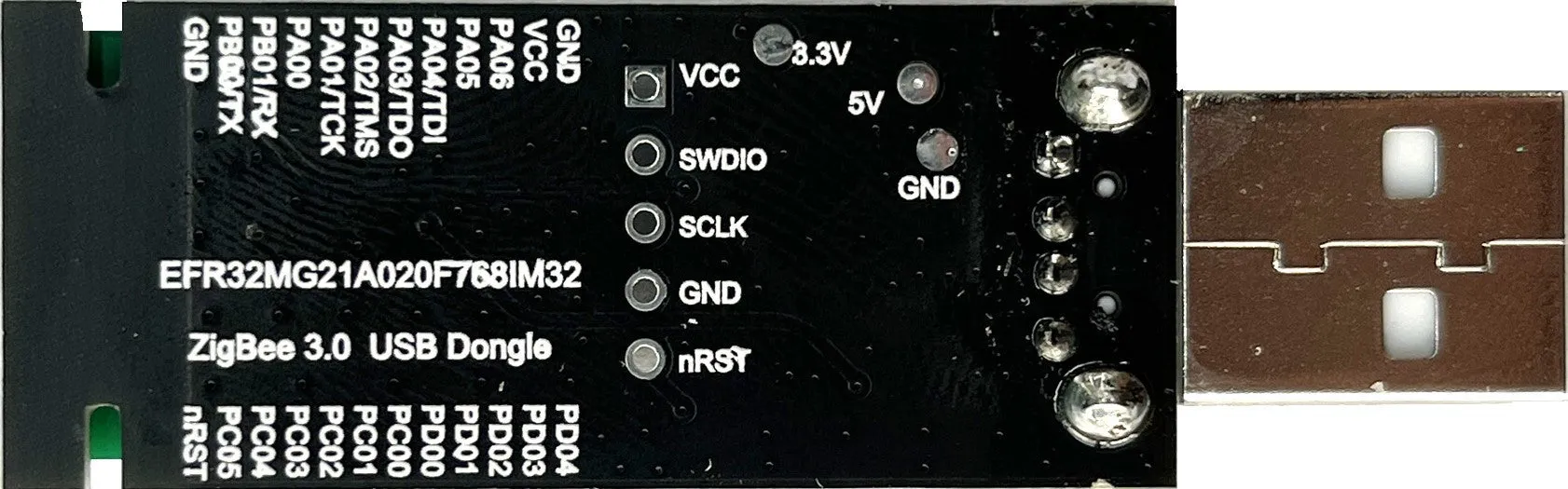 This USB dongle provides a straightforward, pre-configured entry point into creating a personal Zigbee smart home network. It centres on the Silicon Labs EFR32MG21 system-on-chip (SoC), a dedicated Zigbee 3.0 radio module known for its capability in mesh networking applications. Paired with a CH340E USB-to-serial bridge chip, the dongle translates USB commands from your computer or server into serial data the EFR32MG21 can understand. Out of the box, it is flashed with EZSP v8, the EmberZNet Serial Protocol version 8, which is a widely supported firmware that allows software like Home Assistant's ZHA integration or Zigbee2MQTT to communicate directly with the Zigbee radio. This eliminates the need for users to source and flash firmware separately, simplifying the initial setup process significantly.
 The dongle is designed for reliability and ease of use, combining specific hardware with pre-loaded software to deliver a plug-and-play experience for technically inclined users.
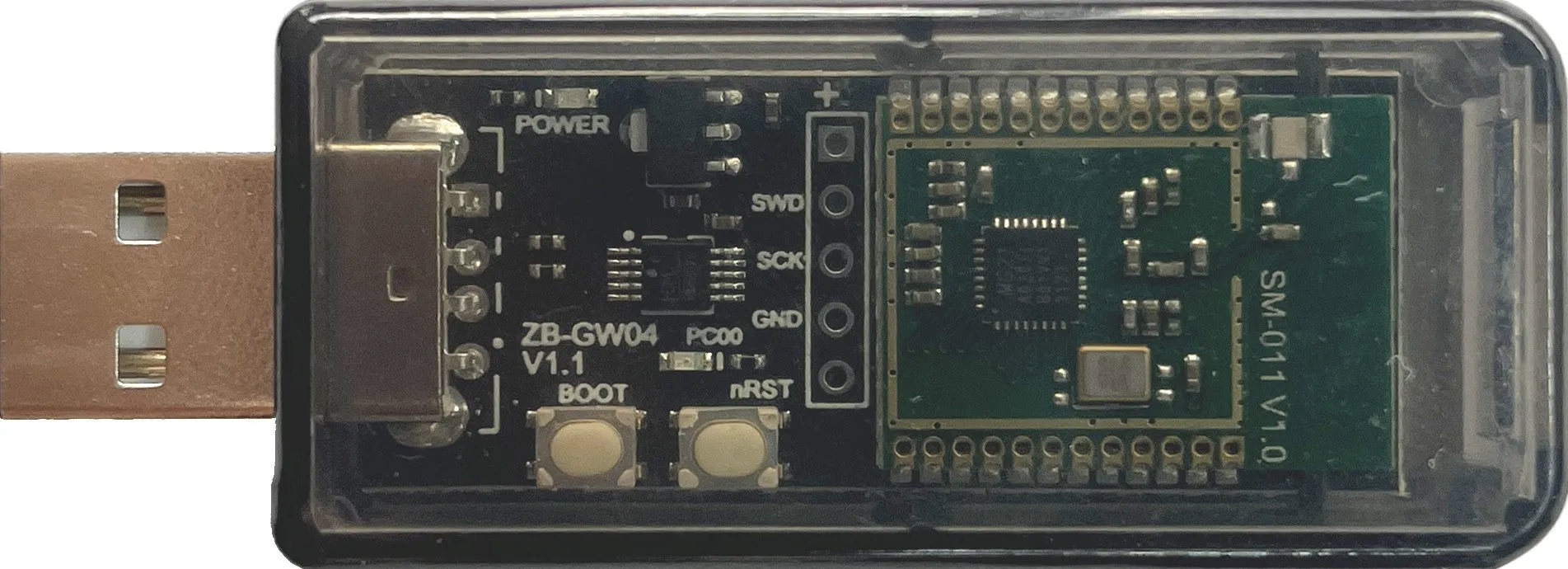 This device acts as the central coordinator or gateway for a Zigbee wireless network, forming the essential link between your smart home software and your Zigbee devices.
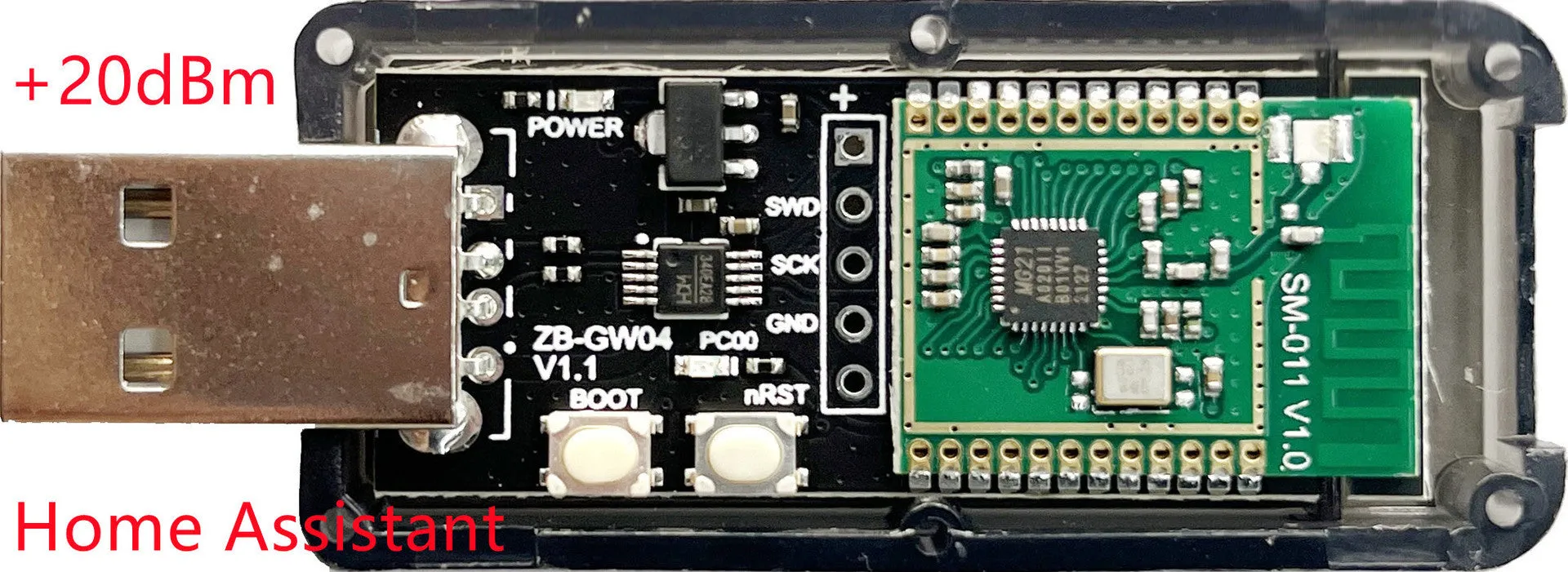 The value of this product lies in its integration of verified components and its pre-configured state, reducing technical hurdles for the end user.


Silicon Labs EFR32MG21 Zigbee 3.0 USB Dongle for Home Assistant and Zigbee2MQTT, Pre-flashed with EZSP v8 EmberZNet Protocol, +20dBm Output Gain with PCB Antenna, Plastic Shell Enclosure
£26.68
Sale price
£26.68
Regular price
Silicon Labs EFR32MG21 Zigbee 3.0 USB Dongle: A Pre-configured Coordinator for Home Assistant and Zigbee2MQTT
Features and Construction
Material and Build
The primary external component is a plastic shell that houses the internal printed circuit board (PCB). This enclosure protects the sensitive electronics from physical damage and electrostatic discharge. Internally, the PCB integrates the core Silicon Labs EFR32MG21 Zigbee SoC, which handles all Zigbee protocol processing and radio functions. Alongside it is the CH340E chip, which manages the critical interface between the USB port on your host device and the serial communication required by the EFR32MG21. The antenna is a PCB trace antenna printed directly onto the circuit board, a common and space-efficient design for compact USB devices.Size and Practical Fit
As a standard USB dongle, it is designed for a low-profile fit into any available USB-A port on a computer, Raspberry Pi, Home Assistant server, or similar host device. Its compact form factor means it can be left connected permanently without obstructing adjacent ports. The use of a standard USB interface ensures broad compatibility with most modern computing hardware, requiring no specialised drivers for the CH340E serial bridge, which is natively supported by many operating systems. This makes it suitable for integration into always-on home automation setups.Uses and Placement
Event or Professional Use
While primarily intended for permanent home automation, its portability and pre-flashed nature could make it useful for temporary setups, such as demonstrating Zigbee device functionality, testing device compatibility in a lab or workshop environment, or as a backup coordinator. The support for OTA updates via UART ensures the firmware can be kept current, which is important for maintaining security and compatibility in any serious deployment. The +20dBm output gain provides a strong signal that helps ensure reliable communication in environments with many potential wireless obstacles.Everyday Home Use
For the DIY smart home enthusiast, this dongle is a core component for systems running on platforms like Home Assistant or Zigbee2MQTT. Once connected and configured in the software, it will form a mesh network with compatible Zigbee 3.0 devices like smart bulbs, door/window sensors, motion detectors, plugs, and locks. The network's robustness benefits from the mesh topology where devices relay signals for each other, and the dongle's +20dBm output provides a powerful initial signal to nearby devices. It allows for local control of smart devices without reliance on cloud services from specific manufacturers.Benefits and Buying Value